
Discreet orthodontic planning
Clear Aligners With the Bite, Biology, and Daily Routine in Mind
Clear aligners use a planned series of removable trays to move selected teeth gradually. They can be discreet and convenient, but the treatment still requires diagnosis, consistent wear, monitoring, and long-term retention.

- Personal consultation
- Clear treatment options
- Coordinated next steps
Understand the treatment
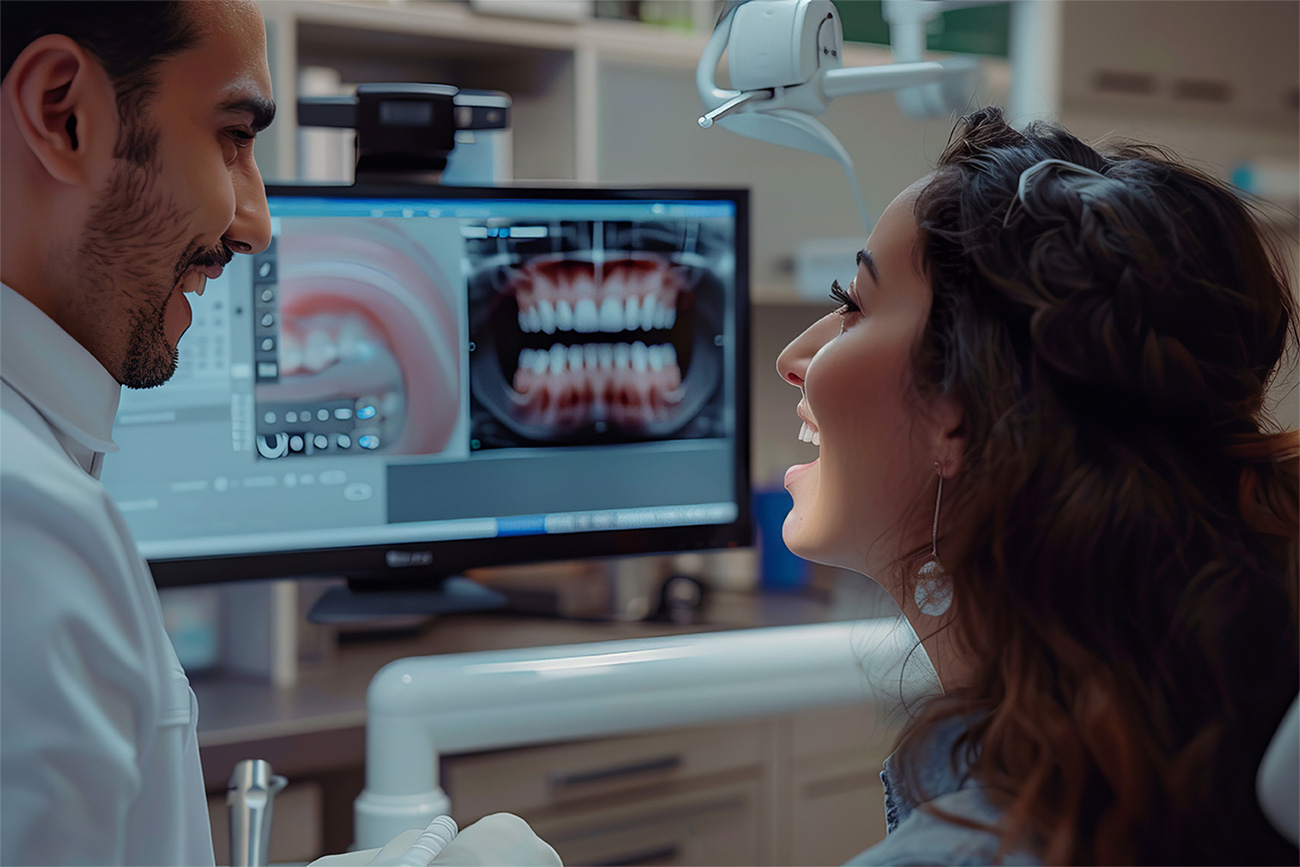
The digital simulation is a plan—not the treatment itself
Aligners apply controlled pressure as you move from one tray to the next. The dentist evaluates the teeth, gums, roots, jaw relationships, and bite before planning movement. Attachments, enamel reshaping, elastics, or other steps may be needed in selected cases. Some movements are better treated with another orthodontic approach or specialist care.
Because aligners are removable, patient consistency matters. Trays need to be worn as directed, removed for eating and most drinks, and kept clean. Progress visits allow the dentist to confirm that the teeth are tracking as planned. After active movement, retainers are typically required because teeth can shift over time. The decision should account for both the desired change and your willingness to follow the daily routine.
Who this may help
An option for selected alignment concerns
Aligners may help with crowding, spacing, or bite relationships when the clinical situation is appropriate and wear instructions can be followed.
- Mild to moderate crowding
- Selected spacing concerns
- Relapse after earlier orthodontic care
- A preference for removable appliances
- Ability to wear trays consistently
What to expect
The plan is more than a digital animation
Oral health, bite, tooth movement, attachment needs, and retention are evaluated before treatment.
Evaluate
Assess teeth, gums, bite, and movement goals.
Align
Wear each prescribed tray and attend progress visits.
Retain
Use retainers as directed to help maintain the result.

Thoughtful planning
Consistency drives the process
Treatment depends on wearing aligners as instructed and keeping scheduled evaluations. Refinements may be needed.
- Clinical suitability
- Realistic movement goals
- Daily wear expectations
- Progress monitoring
- Long-term retention
Clear answers
Questions to Help You Plan Your Next Step
Straightforward guidance for making a confident, informed decision about your care.
Related Care at Arc Dental NYC
Compare connected services before deciding which direction makes sense for you.
Dental Exams & Cleanings
Confirm teeth and gums are healthy before treatment.
Clinical note: Individual results vary. Treatment recommendations, timing, recovery, and suitability depend on a complete clinical evaluation. Website content is educational and does not replace professional diagnosis or treatment.
Talk with our team
Find Out Whether Aligners Fit the Movement You Need
Bring your alignment and bite concerns to a consultation. We will explain what clear aligners may address, what daily wear involves, and when another approach should be considered.