
Is every patient supposed to visit the dentist every six months, or can the right schedule vary from person to person? Dental exams and cleanings are an important part of maintaining oral health, but the ideal frequency depends on more than a date on the calendar. Your history of cavities, gum health, existing dental work, home care, medical history, and current risk factors can all influence how often your dentist recommends a visit. At Arc Dental Implant and Cosmetic Center in Midtown Manhattan, general dentistry can help patients create a preventive routine based on their individual needs.
For some people, a regular six-month schedule may be appropriate. Others may benefit from more frequent monitoring, while certain low-risk patients may be given a different interval after a professional evaluation. The important point is that dental exams and cleanings are not simply about polishing teeth. They create an opportunity to monitor changes, identify concerns early, assess existing restorations, evaluate gum health, and adjust preventive care before a small issue becomes more complicated.
What Happens During Dental Exams and Cleanings?
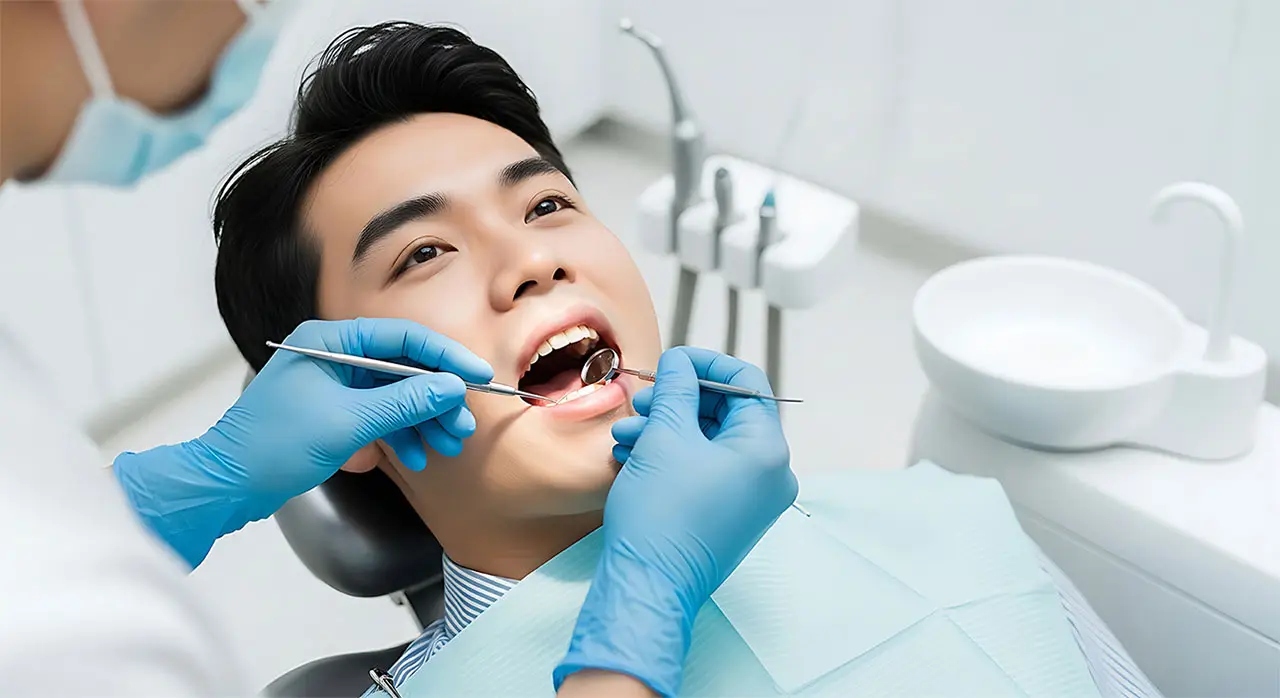
Dental exams and cleanings are closely related, but they serve different purposes. A professional cleaning focuses on removing plaque, tartar, and surface buildup that can accumulate even when someone brushes and flosses consistently. An examination focuses on the condition of the teeth, gums, bite, existing dental work, and other areas of the mouth.
During the examination, the dentist may look for tooth decay, cracks, worn enamel, damaged fillings, changes around crowns, gum inflammation, recession, bite concerns, and other findings. The dental team may also review your medical history, medications, previous treatment, and any symptoms you have noticed since your last visit.
Dental imaging may be recommended when it provides useful information that cannot be gathered through a visual examination alone. However, not every patient necessarily needs the same type of imaging at every appointment. Frequency can depend on age, dental history, symptoms, previous findings, and risk.
Meanwhile, the cleaning portion of the appointment can remove hardened tartar that normal brushing cannot remove. The hygienist or dental professional may also discuss areas where plaque consistently accumulates and suggest practical changes to brushing, flossing, interdental cleaning, or other home-care techniques.
Why the Six-Month Rule Is Not Universal
Many patients associate dental exams and cleanings with a twice-a-year schedule. That interval can work well for many people, but it should not be treated as a rule that applies identically to everyone. Dental risk changes over time, and the right recall schedule can change with it.
For example, someone with a history of frequent cavities may need closer monitoring than someone who rarely develops decay. A patient managing gum disease may also need more frequent professional care than a person with consistently healthy gums. Likewise, someone with several implants, crowns, bridges, or large restorations may benefit from a schedule that allows the dental team to monitor those areas carefully.
Life changes can matter as well. New medications may contribute to dry mouth, which can increase cavity risk. Changes in diet, stress, oral hygiene habits, medical conditions, or tobacco and nicotine use can also affect oral health. Therefore, dental exams and cleanings should respond to current conditions rather than rely only on what was appropriate several years ago.
Benefits of Dental Exams and Cleanings
- Earlier identification of dental problems: Regular examinations can help identify cavities, fractures, failing restorations, or gum changes before they produce significant symptoms.
- Professional removal of tartar: Once plaque hardens into tartar, normal brushing and flossing cannot remove it effectively. Professional cleaning can address these deposits.
- Monitoring of existing dental work: Fillings, crowns, bridges, veneers, and dental implants should be evaluated over time for wear, damage, fit, and surrounding tissue health.
- Personalized preventive guidance: Dental exams and cleanings give the team an opportunity to identify areas that need more attention at home and recommend practical hygiene techniques.
- Gum-health monitoring: Regular visits can help track bleeding, inflammation, recession, pocket depth, and other changes involving the tissues that support the teeth.
- A useful long-term record: Comparing examinations, photographs, imaging, and other records over time can make subtle changes easier to recognize.
Preventive dentistry does not guarantee that problems will never develop. However, dental exams and cleanings provide a structured way to identify risk, monitor changes, and respond before a condition becomes more difficult to manage.
What Happens If You Skip Dental Cleanings for Several Years?
If it has been a long time since your last dental visit, there is no reason to assume that everything will require extensive treatment. The appropriate starting point is simply to evaluate your current condition. Some patients return after several years and need only preventive care, while others discover cavities, gum inflammation, broken restorations, or other concerns that should be addressed.
Tartar can accumulate over time, particularly in areas that are difficult to clean. Gum inflammation may also progress gradually and may not cause significant pain. In addition, decay can develop between teeth or around older dental work without immediately producing obvious symptoms.
Rather than trying to predict what may be wrong, schedule an examination and allow the dentist to establish priorities. If several findings are present, treatment can often be organized into urgent needs, preventive needs, and items that can be monitored or addressed in stages.
Can You Tell You Have a Cavity Without a Dental Exam?
Sometimes a cavity causes sensitivity, pain, a visible dark area, or a change in the surface of a tooth. However, cavities do not always produce symptoms in their earlier stages. A patient may feel completely comfortable while decay develops in an area that is difficult to see.
This is one reason dental exams and cleanings remain useful even when nothing hurts. Dentistry should not be limited to responding to pain. By the time a tooth becomes severely painful, a problem may already require more extensive treatment than it would have if detected earlier.
Regular evaluation can also distinguish decay from other conditions that can create similar symptoms. Sensitivity may come from gum recession, enamel wear, cracks, grinding, or other causes. A professional diagnosis helps determine what actually needs treatment.
Why Gum Health Matters During Preventive Visits
The gums and supporting bone are just as important as the visible portions of the teeth. Gum disease can develop gradually, and some patients notice little discomfort even as inflammation progresses. Bleeding when brushing, persistent bad breath, gum recession, swelling, and tooth mobility can all deserve evaluation.
During dental exams and cleanings, the dental team can evaluate the condition of the gum tissues and determine whether routine preventive cleaning is appropriate or whether additional periodontal care should be discussed.
Home care also plays an important role. Brushing cleans many tooth surfaces, but areas between teeth often require floss or another interdental cleaning method. Your dentist or hygienist can help identify which tools make sense for your teeth, dental work, and dexterity.
How Existing Crowns, Fillings, and Implants Change Preventive Care
Dental restorations need ongoing maintenance just like natural teeth. A filling can wear or fracture. A crown can develop problems around its margin. A bridge requires cleaning beneath the replacement tooth. Dental implants cannot develop cavities, but the surrounding gums and bone still require attention.
Therefore, dental exams and cleanings are particularly useful for patients who have invested in restorative or implant treatment. Regular evaluation allows the dentist to check the condition of restorations, assess the bite, evaluate hygiene access, and identify signs that an area may need closer attention.
If a restoration does need treatment, identifying the concern earlier may provide more options. For example, a small defect may sometimes be managed differently than a restoration that has broken extensively or allowed significant decay to develop underneath it.
Do Dental Exams and Cleanings Help With Bad Breath?
Bad breath can have several causes. Dental plaque, tartar, gum inflammation, food accumulation, dry mouth, certain foods, and other oral conditions can contribute. Professional cleaning may improve bad breath when buildup or gum inflammation is part of the cause.
However, persistent bad breath should not simply be covered with mouthwash or mints. A dental examination can look for oral causes and determine whether additional evaluation may be appropriate. In some cases, the source may not be primarily dental.
Good hydration, consistent brushing, cleaning between the teeth, and cleaning the tongue may also be helpful for many patients. Your dental team can recommend a routine based on what they observe during the visit.
What If Your Teeth Feel Fine?
Feeling comfortable is a good thing, but it does not necessarily mean dental exams and cleanings are unnecessary. Many oral-health conditions develop gradually. Early decay, gum inflammation, enamel wear, and changes around existing restorations can occur without significant pain.
Preventive visits are designed partly to monitor these silent changes. They also allow the dental team to compare current findings with previous records. A worn edge that appears unchanged over several visits may simply be monitored, while a similar area that is clearly progressing may deserve treatment or further investigation.
That ability to compare changes over time is one of the most valuable parts of an ongoing general dentistry relationship.
How Often Should Children and Adults Have Dental Exams and Cleanings?
There is no single interval that applies to every child or adult. Age is only one factor. The dentist considers cavity history, gum condition, oral hygiene, dental development, medical considerations, diet, existing restorations, and other risk factors.
Children and teenagers may experience rapid changes as teeth erupt and oral hygiene habits develop. Adults may require monitoring for restorations, gum health, tooth wear, and other age-related or lifestyle factors. Older adults may also experience dry mouth or changes related to medications and medical conditions.
The most useful schedule is one recommended after an individual examination, then adjusted when risk changes.
How to Get More Value From Your Dental Visit
Dental exams and cleanings are more useful when patients communicate openly about symptoms and changes. Tell your dental team about sensitivity, bleeding gums, jaw discomfort, tooth grinding, dry mouth, loose restorations, changes in your bite, or anything else that feels different.
It is also helpful to update your medication and health history. Oral health and general health can influence one another, and certain medications can affect saliva, bleeding, healing, or other aspects of dental care.
If your dentist recommends treatment, ask what was found, why it matters, how urgent it is, and what alternatives are available. A clear explanation can help you prioritize care without feeling that every finding must be treated at once.
Frequently Asked Questions About Dental Exams and Cleanings
Do I really need dental exams and cleanings every six months?
Not necessarily. Six months is a common interval, but the right schedule depends on your oral health, history, risk factors, existing dental work, and professional evaluation.
Do I need dental X-rays every time I have a cleaning?
No. The need and frequency of dental imaging depend on your history, symptoms, risk, age, previous findings, and current examination.
Can professional dental cleanings damage enamel?
Professional cleaning is designed to remove deposits from the teeth while preserving healthy tooth structure. If you have sensitive teeth, recession, or another concern, let the dental team know so they can adjust the approach when appropriate.
What if I have not been to the dentist in years?
You can begin with a comprehensive examination. The goal is to understand your current oral health and create a practical sequence for preventive care and any treatment that may be needed.
Do dental implants still need professional cleanings?
Yes. Dental implants do not develop cavities, but the gums and bone around them need ongoing care. Implant-supported restorations should also be evaluated for hygiene, function, wear, and other changes.
Where can I schedule dental exams and cleanings in Midtown Manhattan?
Arc Dental Implant and Cosmetic Center is located at 474 7th Avenue, Floor 4, New York, NY 10018. Call (212) 687-4400 or Contact Us to request an appointment.
Build a Preventive Routine Around Your Actual Needs
Dental exams and cleanings are most valuable when they are personalized. Rather than treating every patient as though the same schedule applies forever, your dentist can consider your history, current oral health, restorations, gum condition, and changing risk factors. Regular preventive visits can then become part of a useful long-term health record instead of simply another appointment on the calendar.
If you are due for dental exams and cleanings in Midtown Manhattan, contact Arc Dental Implant and Cosmetic Center at 474 7th Avenue, Floor 4, New York, NY 10018. Call (212) 687-4400 or Book an Appointment online.